
If you smoke or vape, or someone you care about does, you’re not alone. Many Albertans are turning to vaping in hopes that it’s a “safer” alternative to cigarettes, while others are trying to quit smoking but feel stuck between two harmful choices. With so much mixed information online, it can be hard to know what’s actually true.
At PulseAir Heart & Lung Centre, we support Albertans at every stage of their lung and heart health journey, without judgement. Whether you smoke, vape, are trying to quit, or want to protect your family’s health, this guide breaks down the facts in a clear and relatable way.
In This Article:
- Is vaping really safer than smoking?
- How each affects your lungs, heart, and sleep
- Youth vaping concerns for Alberta parents
- When to seek help and where to start
- Tips for quitting ahead of National Non-Smoking Week in January
Smoking vs. Vaping: What’s the Difference?
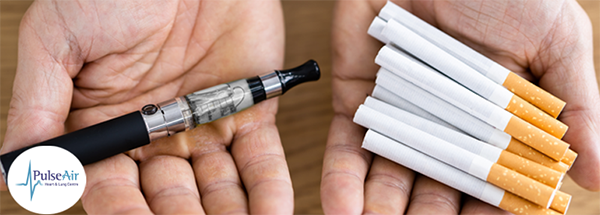
Both smoking and vaping involve inhaling substances into the lungs, but how they work is different.
|
Smoking |
Vaping |
|
Burns tobacco, producing smoke |
Heats a liquid (vape “juice”) into aerosol |
|
Contains over 7,000 chemicals, including tar and carbon monoxide |
Contains fewer chemicals, but often includes nicotine, heavy metals, flavouring chemicals, and ultrafine particles |
|
Harms lungs, heart, blood vessels, and nearly every organ |
Still harmful, especially to the lungs and cardiovascular system, and long-term effects are still being studied |
The Bottom Line So Far
Vaping may expose you to fewer toxins than cigarettes, but fewer doesn’t mean safe. Both can damage your lungs, heart, and long-term health.
How Smoking Affects the Lungs and Heart
Most smokers know the risks, but here’s what happens inside the body:
Impact on the Lungs
Smoking:
- Damages airways and lung tissue
- Reduces lung function and oxygen exchange
- Increases risk of COPD, chronic bronchitis, and emphysema
- Triggers inflammation and long-term breathing problems
Impact on the Heart
Smoking:
- Narrow blood vessels and increases blood pressure
- Raises heart rate and workload on the heart
- Increases the risk of heart attack, stroke, and heart disease
- Reduces oxygen supply to the heart and brain
Even light or “social” smoking harms the heart and lungs.
How Vaping Affects the Lungs and Heart
Many people switch to vaping believing it’s “safer,” but research shows growing concerns.
Impact on the Lungs
Vaping can:
- Irritate the lungs and throat
- Trigger asthma or worsen symptoms
- Reduce lung function over time
- Introduce harmful chemicals such as formaldehyde, acrolein, and diacetyl
- Increase risk of EVALI (vaping-related lung injury)
Some aerosols reach deep into the lungs, causing inflammation and cell damage.
Impact on the Heart
Vaping may:
- Increase heart rate and blood pressure
- Affect blood vessel function
- Increase risk of heart disease and arrhythmias
- Harm cholesterol balance and heart cell function
Emerging studies show vaping may raise heart attack risk, especially for long-term users.
Is Vaping Safer Than Smoking?
If the question is “Is vaping safe?” → No.
If the question is “Is vaping safer than smoking cigarettes?” → Possibly — but only slightly, and not in the clear way people think.
Here’s the key:
- Smoking is proven to be extremely harmful.
- Vaping may have fewer known toxins, but we don’t yet know the long-term effects — especially on young or developing lungs.
- Many people end up doing both (called dual-use), which can be more harmful than smoking or vaping alone.
Vaping in Teens and Young Adults: A Concern for Alberta Families
Youth vaping rates are rising across Canada, especially in Alberta.
Why this is a problem:
- Teen lungs are still developing until around age 25
- Nicotine affects brain development, memory, emotion, and attention
- Many teens who vape later transition to cigarettes
- Flavoured vapes make it easy to inhale more than intended
- Vaping at bedtime disrupts sleep and oxygen levels
If you’re a parent worried about youth vaping, you are not overreacting — early conversations matter.
Sleep, Smoking, Vaping & Your Health
Because PulseAir focuses on sleep and respiratory care, here’s a connection many people don’t realize:
Both smoking and vaping:
- Make sleep apnea symptoms worse
- Increase nighttime coughing and breathing disturbances
- Influence oxygen levels while you sleep
- Affect how rested, or exhausted, you feel the next day
If you use CPAP therapy, smoke or vape, and still feel tired, your smoking or vaping habit could be playing a role.
Thinking About Quitting? You’re Not Alone
If you smoke or vape, there is no judgement here; quitting is a journey, and the first step is simply thinking about change. Even cutting down can support better lung and heart health.
Here are gentle starting points:
- Reduce triggers (like coffee, drinking, or certain environments)
- Delay your first cigarette or vape of the day by 30 minutes
- Try smoke-free or vape-free hours at a time
- Replace one “habit inhale” with water or stepping outdoors
- Ask loved ones for support or accountability
Tips to Help You Quit (or Start Preparing to Quit)
If you’re considering quitting, now or in the new year, here are small steps that make a big difference:
1. Choose Your Reason
Your health, your kids, your wallet, your reason matters.
2. Talk to a Healthcare Professional
They can provide guidance, tools, and referrals.
3. Consider Nicotine Replacement Options
Patches, gum, lozenges, inhalers, and sprays can ease withdrawal.
4. Track Your Triggers
Knowing what sparks the urge builds awareness.
5. Don’t Quit Alone
Support groups, family, or a quit coach increases success rates. National Non-Smoking Week is coming up in January, and it’s a great time to prepare if you’d like to quit with support
When to Seek Help at PulseAir
If you notice:
- Shortness of breath
- Persistent cough
- Wheezing
- Chest tightness
- Sleep issues or daytime fatigue
…it may be time to speak with a professional.
PulseAir offers:
- Respiratory consultations
- Lung function testing
- Sleep testing & sleep apnea support
- Cardiology consultations & testing
- Home oxygen services
You don’t have to figure this out alone; support is available close to home here in Alberta.
Find Quitting Smoking & Vaping Support
Your Journey Forward
Quitting smoking or vaping isn’t easy, but learning the truth is a powerful first step. Whether you’re using this information for yourself or someone you care about, remember:
Progress matters, not perfection.
At PulseAir, we’re here to help you breathe easier, sleep better, and protect your heart and lungs, at your own pace.