
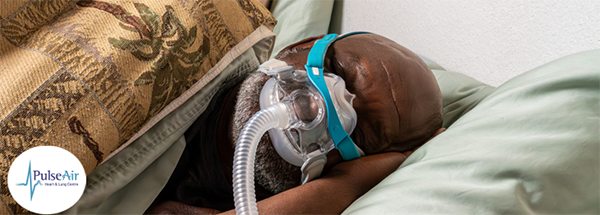
If you use CPAP therapy for sleep apnea, you may notice something different as Alberta’s fall and winter roll in: the air gets drier, your nose and throat may feel irritated, and staying consistent with CPAP can suddenly feel harder. Cold, dry weather can impact your comfort, breathing, and even your sleep quality, which can make CPAP therapy more difficult to stick with.
But the good news? With a few simple adjustments, you can stay comfortable, protect your airways, and continue getting the restful sleep your body needs.
At PulseAir Heart & Lung Centre, we help Albertans breathe easier year-round. Whether you’re new to CPAP or have been using it for years, these winter-specific tips can help keep your therapy on track, even on the coldest, driest nights.
Why Dry Weather Makes CPAP Use More Challenging
Dry, cold Alberta air can lead to:
- Nasal and throat dryness
- Congestion or runny nose
- Nosebleeds
- Irritated sinuses
- Increased coughing at night
- CPAP mask leaks due to dry skin
- Discomfort when exhaling through pressurized air
For people with obstructive sleep apnea (OSA), those symptoms can make it difficult to stay consistent with CPAP therapy, which is crucial for keeping your airway open, improving your sleep quality, and protecting long-term heart and lung health.
Did you know? Consistent CPAP use doesn’t just reduce snoring; it supports heart health, oxygen levels, immune function, and helps reduce the risk of high blood pressure and arrhythmias linked to untreated sleep apnea.
Learn More About Sleep Apnea Treatment
7 Top Tips to Stay Comfortable with CPAP in Dry Weather
1. Use Your Humidifier and Turn It Up
A heated humidifier is your first line of defence against dryness.
How it helps:
It adds moisture to the airflow, preventing dryness and irritation in your nose and throat.
Winter Tip:
Increase the humidity level one step at a time until breathing feels comfortable. Many Albertans find they need one to two levels higher than they use in the summer.
Pro Tip: Use distilled water to protect your machine from mineral build-up.
2. Add a Heated Hose for Extra Comfort
If you notice condensation (“rainout”) in your CPAP tube during the colder months, a heated hose can help regulate air temperature and prevent water droplets from forming.
A heated hose also:
- Keeps the airflow warm
- Reduces irritation in the nasal passages
- Helps maintain consistent humidity throughout the night
This small upgrade can make a big difference in winter comfort.
3. Keep Your CPAP Equipment Clean and Winter-Ready
Cold and flu season brings more viruses, which can make respiratory symptoms worse, especially if equipment isn’t cleaned regularly.
Weekly CPAP Winter Cleaning Checklist:
- Wipe down machine exterior
- Replace or rinse the humidifier chamber as recommended
- Change filters on schedule (may need more frequent changes in winter due to indoor allergens and dust)
Clean equipment = cleaner air going into your lungs.
4. Combat Dry Nose, Mouth, and Throat
If you wake up with a dry mouth, cracked lips, or nasal irritation, try:
- Increasing humidifier level
- Using a saline nasal spray before bed
- Applying a tiny amount of nasal moisturizer (CPAP-safe)
- Switching to a full-face mask if you breathe through your mouth
When to switch masks:
If you consistently wake up with a dry mouth despite using humidity, a full-face mask may help you maintain moisture and comfort.
5. Add Moisture to Your Bedroom Air
Because Alberta’s indoor air is dry from late fall through early spring, boosting humidity in your sleep environment is key.
Try:
- Using a cool-mist humidifier in the bedroom
- Opening the bathroom door after a warm shower to add moisture in the home
- Keeping houseplants to support indoor humidity (bonus mood boost in winter!)
Ideal indoor humidity for comfort is 30–50%.
6. Prepare for Winter Travel With Your CPAP
Whether you’re heading to the mountains, visiting family, or escaping to a warmer climate, don’t leave your CPAP behind. A few travel tips:
- Pack a travel-sized distilled water bottle if possible
- Bring a travel adapter and extension cord
- Use a travel CPAP or battery pack for camping or winter road trips
If flying, keep your CPAP in your carry-on; it’s considered a medical device and does not count as a personal item.
7. Know When Dryness Signals a Bigger Issue
While dry air is a common reason for discomfort, sometimes symptoms indicate that your CPAP settings or mask fit need to be reassessed.
Call a sleep specialist if you notice:
- Persistent nasal congestion that makes it hard to breathe through your nose
- New or worsening morning headaches
- Air leaks around your mask
- Waking up gasping or choking
- Persistent coughing or sore throat despite humidity adjustments
PulseAir’s sleep health team can assess your setup, recommend adjustments, or provide new equipment if needed.
Are Your Lungs More Sensitive in Winter? They Might Be.
Dry, cold air can irritate the airways, especially for those with:
- Asthma
- COPD
- Chronic bronchitis
- Sleep apnea
- Allergies
If you have both sleep apnea and a lung condition, winter may increase breathing discomfort at night. A sleep or respiratory consultation can help tailor your treatment so you breathe easier this season.
Request a Sleep or Respiratory Consultation
How PulseAir Can Support Better Winter Sleep & Lung Health
PulseAir Heart & Lung Centre offers full sleep and respiratory support across Alberta. Our team can help with:
- Sleep testing (in-lab & at-home options)
Whether you need a CPAP tune-up, a new mask, or guidance on managing winter breathing symptoms, we’re here to help.
Contact Us Today for CPAP Therapy Help
Breathe, Sleep, and Feel Better This Winter
Dry winter air doesn’t have to derail your CPAP therapy, or your sleep. With the right adjustments and support, you can stay comfortable, breathe easier, and wake up feeling more rested all season long.
If you’re struggling with CPAP dryness or winter breathing issues, book a consultation with PulseAir today.
Our team will help you find the right setup so you can stay consistent with therapy and protect your heart and lung health this winter.